
Home › Horse Racing Tips › Well Handicapped Horses
By The Guv'nor · Last updated October 2026
Well handicapped horses are running off an official rating lower than the form they've already shown. Each rating point is 1lb in a handicap, so the quickest test is simple: has the horse won, or finished second, off a higher mark than today's? If so, it's racing off a lower mark than when it last proved itself.
What does well handicapped mean in horse racing?
Every horse that runs in a British handicap has an official rating (OR) set by the BHA handicappers. The BHA's own guide to handicapping describes it as a staircase where each step is one pound: a horse rated three points higher carries three pounds more, and in theory every runner then has an equal chance.
That's the theory. In practice the handicapper reacts to what has already happened: win and the mark goes up, run badly a few times and it comes down. When a horse has dropped below a mark it has already won off, the handicapper is effectively saying "it's not as good as it was", and the punter's job is to work out whether that's true or whether the horse just had excuses.
So "well handicapped" means the weight looks kind compared with what the horse has shown. It doesn't mean it will win. It means the price might be wrong.
Dropping in the weights vs dropping in class
People mix these up, so it's worth splitting them. A horse dropping in the weights has a lower official rating than before. Horses dropping in class are running in a lower grade of race than last time, say from a Class 2 handicap to a Class 4. They often go together, because a falling mark makes a horse eligible for lower-grade races, but a class drop can be the same mark against weaker rivals. The best-looking cases have both. The full mechanics of ratings, weights and race classes are in horse racing handicaps explained.
The four ratings a horse can have
One thing that catches people out: a horse doesn't have one mark. The BHA ratings database lists separate columns for Flat, all-weather (AWT), chase and hurdle ratings. A horse that won a hurdle off 130 and now runs in a chase off 125 is not "5lb well in", because those are two different scales for two different jobs. Compare like with like.
My approach: won or went close off a higher mark
Look, I'm essentially a statistics/maths geek. I used to be a Quantitative Researcher at a Tier 1 investment bank in the UK, I analyse racing with the same skills, and my betting did well enough that most of your favourite bookies won't take a bet from me any more. So when I look at a handicap, I'm not looking for the horse I like the look of. I'm looking for a price that's wrong.
The outsiders in my newsletter come from a system that picks out horses that have won or come close at a weight or mark higher than the one they're running at today. That's the idea on this page. The system flags them, then I filter through them to save members the work of going through every racecard. I won't go into the exact filters here. If I am honest, that's the bit members are paying for.
Why outsiders? Because I care about profit month to month, not win rate. Anyone can talk about high win rates when they tip odds-on horses all day. A well handicapped horse at a big price only has to place for an each-way bet to make more than an odds-on shot winning. Most of these lose, and that's fine: understanding that losers are a thing is the key to being a winner longer term. Every horse I tip I'm betting on myself, at a strict points stake, never bigger because I have "a feeling". If I'm not sure about one, I skip it. Trust the process.
Worked examples from past races
Talk is cheap, so I took every handicap at the 2026 Cheltenham Festival (10-13 March, 12 races including limited handicaps) and Royal Ascot 2026 (16-20 June, 12 races) and looked up the official rating history of every runner on its public Sporting Life form page.
A runner "qualified" if, before the race, it had won or finished second in a British handicap off a higher mark than the one it ran off that day, in the same discipline (hurdle, chase or Flat turf). Irish and overseas races were left out so every mark compared is a British one, and all-weather marks were kept apart from turf. Sample: 24 races, 536 runners (14 non-runners removed). This is a deliberately crude public version of the idea, not my system, and it's all hindsight.
| Group | Runners | Winners | Finished top four |
|---|---|---|---|
| Qualified: won or second off a higher mark | 28 | 1 | 5 |
| British handicap form in the discipline, but no win or second above today's mark | 334 | 17 | 57 |
| No British handicap form in the discipline | 174 | 6 | 34 |
| All runners | 536 | 24 | 96 |
Before anyone gets excited or writes the whole idea off: 28 runners and one winner is a tiny sample, and the one winner was a 66/1 shot, which is exactly why I'm not quoting a profit figure from it. What the table does show is that the very top handicaps of the season are mostly won by improvers. Of the 24 winners, 16 had a British handicap win or second in the same discipline to compare with, and 15 of those 16 were running off the same mark or higher, by a median of 7lb. That's the angle's blind spot, and it's why I'd never use it on its own.
Martator, Grand Annual, 11 March 2026 (won, 66/1)
| Date | Race | OR | Result (SP) |
|---|---|---|---|
| 23 Nov 2024 | Hurst Park Handicap Chase, Ascot | 140 | Won (13/8) |
| 27 Dec 2024 | Desert Orchid Handicap Chase, Kempton | 151 | 3rd of 7 (2/1) |
| 12 Mar 2025 | Grand Annual, Cheltenham | 147 | 10th of 20 (50/1) |
| 22 Nov 2025 | Hurst Park Handicap Chase, Ascot | 139 | 2nd of 10 (11/1) |
| 31 Jan 2026 | Handicap chase, Sandown | 140 | Unseated rider (22/1) |
| 11 Mar 2026 | Grand Annual, Cheltenham | 139 | Won by a nose, 20 ran (66/1) |
This is the angle working in its purest form. Martator won off 140, went up to 151, and the handicapper then dropped him back as the form tailed off. By the Festival he was 1lb below his last winning mark, at a trip close to the 2m he'd won over at Ascot, and the market had him at 66/1. Hindsight, obviously, and the same test threw up 27 other runners at the two meetings who didn't win.
Cracking Rhapsody, County Hurdle, 13 March 2026 (4th of 23, 50/1)
Won the Scottish Champion Hurdle (a limited handicap) at Ayr in April 2025 off 137. Then 13th, 6th, 6th and 6th off 139, 138, 137 and 136. He lined up for the County Hurdle off 136, a pound below that Ayr win, at a similar two-mile trip, and ran on for fourth of 23 at 50/1. No winner, but the kind of run that matters to an each-way punter when the bookies pay four places or more.
Wilful, County Hurdle, 13 March 2026 (won, 14/1)
The one the angle couldn't see. Wilful won at Ascot in December 2025 off 135, was second at Windsor off 142 in January, and won the County Hurdle off 144, higher than anything he'd won or placed off in Britain. Nothing "well handicapped" about him on paper; he was simply improving faster than the handicapper could keep up. That's the other half of handicap betting.
Where the angle fails: class, trip, going and age
A lower mark is a clue, not a verdict. The handicapper drops horses for a reason, and the job is working out whether the reason still applies. Here's what came out of the same 2026 sample.
Age
Horses only get to be "below their best mark" once they've been around a while, so qualifiers skew old. Of the 28, 19 were aged nine or older; the median age was 9, against 7 for all Cheltenham handicap runners and 4 at Royal Ascot. At Royal Ascot all 12 handicap winners were three or four years old, and the 82 runners aged five or older won none of them. All seven Ascot qualifiers were six or older. Boothill sums it up: won the Hurst Park at Ascot off 155 in November 2023, ran in the 2026 Grand Annual off 145, 10lb lower, aged 11, and finished 8th at 50/1.
How old the mark is
Twelve of the 28 qualifiers hadn't won or been second off a higher mark for more than two years. One of those 12 made the top four; four of the other 16 did, including Martator. Samples that size are far too small to prove anything, but it fits common sense. Yes Indeed's highest mark to compare was a second off 136 at Newbury in February 2022, and his most recent qualifying run was from May 2023. He ran in the 2026 Plate off 123 and was pulled up at 66/1 (the vet reported a small wound afterwards, so not all of that is down to the mark). An old mark isn't the horse in front of you.
Trip and going
A mark is earned over a trip and on a surface. Walking On Air was second off 138 over 2m6f on soft at Newbury in December 2023. In the 2026 National Hunt Chase he ran off 127 over more than 3m5f on good to soft, and was pulled up. Horantzau D'airy's qualifying run was over 2m4f at Uttoxeter; the Cross Country is over 3m5f, and he was 11th. If today's conditions don't match the run that earned the higher mark, the "pounds in hand" might not exist.
Class and discipline
A rating is the same scale in a Class 4 at a gaff track and a Premier Handicap at Cheltenham, but the race isn't. Big-field, top-class handicaps are deeper and full of improvers, as the 2026 winners above show. And keep to like-for-like marks: hurdle, chase, Flat turf and all-weather ratings aren't interchangeable.
How to find well handicapped horses: check the mark yourself
Here's how to spot a well handicapped horse yourself.
- Get today's mark. The OR is on the racecard, and current marks are in the BHA ratings database, which is updated every Tuesday morning and lets you search by horse, trainer or rating.
- Open the full form. Free form pages such as Sporting Life's show the official rating against every run, which is where all the figures on this page came from.
- Keep only like-for-like runs. British handicaps, same discipline (hurdle, chase, turf or all-weather).
- Find the highest mark it won or finished second off. If that's above today's OR, you've got a candidate.
- Ask why it dropped. Age, how long ago, trip, going, class, a wind op or a change of yard. If the excuses for the poor runs are real, you might have a well handicapped horse. If it's just getting old, you've got a lower-rated old horse.
- Check the price. A horse that ticks every box at 3/1 might be no value at all. I want the ones the market has missed.
Reading the rest of the form line matters too, and how to read horse racing form walks through it. For the bigger picture on combining angles like this, see how to pick a winner and my take on horse racing betting systems.
Why the list stays with members
Doing that for one horse is easy. Doing it for every runner in every handicap, every day, is the job. That's what the system does for me, and the filtering on top is what I don't give away. My newsletter is a short list for your betting of the day: the higher-mark outsiders, the shorter-priced 'bankers' (the more solid bets of the day), and any smart money or stable information I'm hearing. Some days there are no tips at all. That's just a stinky day for the ponies. If you want to see how it all fits together, my tips service page explains what lands in your inbox and when.
For the season-long view of where these horses tend to crop up, my jumps season preview and Flat season preview cover the big handicaps and dates, and Cheltenham Festival handicap tips goes deep on the Festival's handicaps.
The horses my system flags go out to Winners Club members on the morning they run.
Price
Price of the service is a fixed £9.99 monthly and that will never change and you can cancel anytime if it's not for you. To break that down for you that's about 32p a day for a whole month or a going to have a McDonalds with a mate. Crazy right?
I've priced it cheap because I want it accessible to absolutely everyone and build a community of winners - If I am honest the £9.99 is just there as a filter if you like so that only serious people sign up. If the paid version isn't for you just yet, then feel free to sign up to the free service.
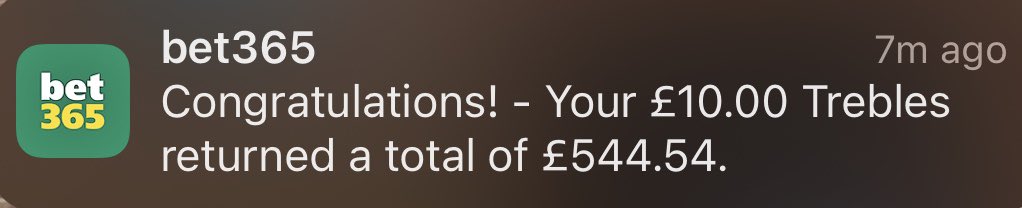
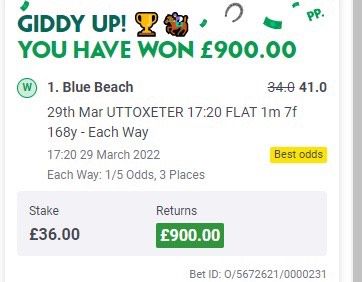
My promise.
Look, I can't guarantee every tip every day is going to win (anyone that can is a fraudster). But I can promise you that every horse I will tip I am betting on myself and through my data analysis techniques it should be in with a very strong chance of bolting up and winning and over a long enough period you will be profitable.
Here's what some of our paid members have been saying:
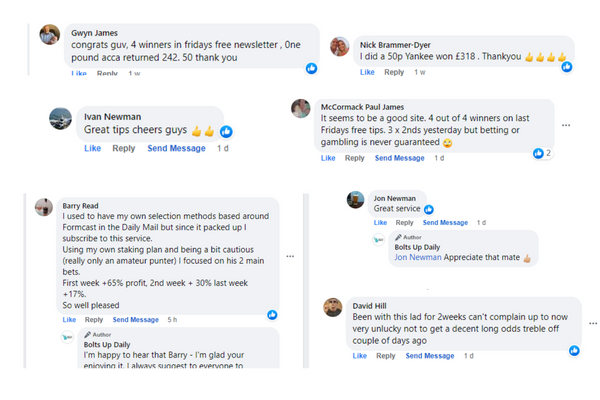
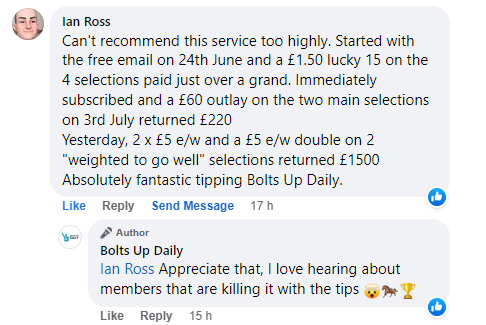
Give it a go, what have you got to lose? It's only a tenner a month. Feel free to try out the free version first!
- The Guv'nor
Well handicapped horses: common questions
How often do official ratings change?
Every week. The BHA revises its handicap ratings weekly and publishes them on Tuesday morning, with a download of each week's changes.
Is a horse dropping in the weights always a good sign?
No. A horse drops because it has been running below its mark. Sometimes there's a good excuse (wrong trip, wrong ground, too high in class) and sometimes it's simply in decline. In the 2026 big-meeting sample above, the qualifiers were mostly nine or older and only one of 28 won.
Can a horse be well handicapped without having won off a higher mark?
Yes. Lightly raced, improving horses can be well handicapped on what they're likely to do next rather than what they've done, which is how most of those 2026 big handicaps were won. My higher-mark angle deliberately looks at the other end: exposed horses the handicapper may have dropped too far.
More in this guide
- How my premium tips work
- Jumps season preview 2026/27
- Flat season preview and dates
- Horse racing handicaps explained
- Horse racing betting strategy
I run Bolts Up Daily. I was a Quantitative Researcher at a Tier 1 Investment Bank (essentially a statistics and maths geek), and I now use those skills to analyse UK and Irish racing, profitably enough that most of your favourite bookies won't take a bet from me. Every horse I tip, I'm betting on myself, and every bet comes with a stake in points. I own racehorses too. Look, I can't guarantee every tip is going to win (anyone that can is a fraudster), but I care about profit, not strike rate.
More from The Guv'nor · How my tips service works